

No Reaction Time. No Ignition.
At altitude, a thermal event in a wiring harness or composite assembly is not a maintenance issue — it is a loss-of-vehicle event. Nano Stopper intercepts each spark at the molecular level before combustion is possible.
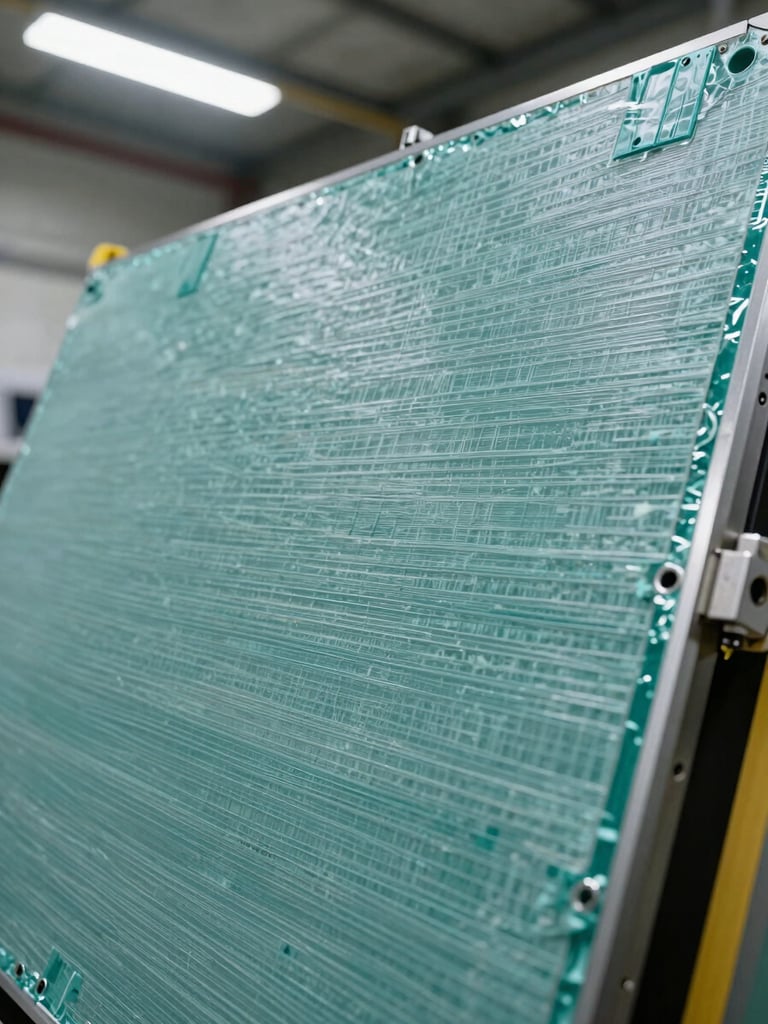
Built to Aerospace Tolerance Standards
Non-Conductive
The coating carries zero electrical conductivity. Applied directly to wiring harnesses and avionics assemblies, it introduces no interference with signal integrity or circuit behavior.
Dimensionally Invisible
Nano-scale application depth means component tolerances remain unaltered. No measurable mass addition. No re-certification of fitted dimensions after application.
Passive Molecular Defense
No actuation, no sensor trigger, no power source required. The coating neutralizes spark events at the molecular scale the instant thermal energy reaches ignition threshold.
At altitude, the only acceptable protection acts before the event — not during it.
Reactive suppression systems are engineered for fires that have already started. Nano Stopper is engineered for the microsecond before that — the only interval where uncompromised protection is provable.
Ready to Specify Molecular-Level Defense?
Our engineering team works directly with OEM quality leads and certification teams to evaluate application fit, confirm tolerance compatibility, and scope a protection protocol for your specific assemblies.